Makunu: A Bold Blackletter Font for Creative Makers
There’s something magical about the right font. I recently found myself sitting at my desk, working on a new line of seasonal candles for my shop. The scent was cozy and inviting—cinnamon, clove, and a hint of orange peel—but the label design felt flat. That’s when I stumbled upon Makunu, and everything changed.
What Is Makunu?
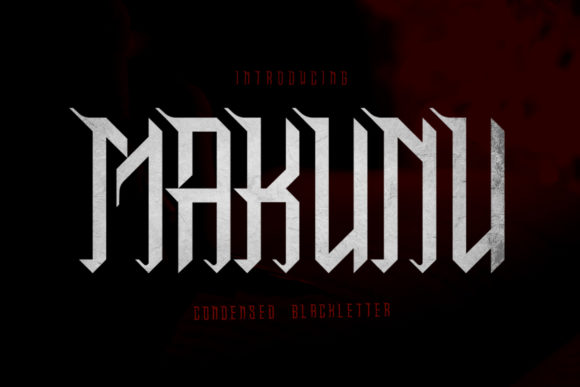
Makunu is a dramatic blackletter typeface that brings a sense of boldness and elegance to any creative project. Its sweeping strokes and intricate details give it a timeless, handcrafted feel that resonates with makers who value both artistry and impact. It doesn’t just look like a font—it feels like a statement.
I’ve used a variety of fonts over the years, from delicate script styles to minimalist sans serifs, but Makunu has quickly become one of my favorites for display use. Whether you're designing labels for handmade products or creating digital printables for your customers, this font adds a level of sophistication that’s hard to ignore.
Bringing Makunu to Life in My Shop
The first time I tried Makunu on a candle label, I knew I had found the perfect match. The thick, ornate characters gave the product an air of tradition while still feeling modern enough for today’s shoppers. I paired it with a clean sans serif font for the supporting text, which helped balance out the weight and keep the design from feeling too busy.
Since then, I’ve been experimenting with how else I can incorporate Makunu into my work. Here are some of the ways it’s transformed my designs:
- Greeting Cards: Makunu adds a dramatic flair to holiday cards, birthday wishes, and thank-you notes. It works especially well for short phrases or names, giving them a memorable presence.
- Wedding Invitations: For a rustic or vintage-themed wedding suite, Makunu elevates the overall aesthetic. I’ve used it for titles and decorative accents, always ensuring legibility by using it sparingly.
- Wall Art & Planner Pages: In my printable designs, Makunu shines as a headline or title font. When used for wall art, it commands attention without overwhelming the layout.
- Product Tags & Packaging: On boutique-style tags and gift boxes, Makunu gives off a premium vibe. It's especially effective for brand names or taglines where visual weight matters most.
- Farmhouse Signs: Whether carved into wood or printed on canvas, Makunu brings character and charm. I love how it fits seamlessly into the cozy, earthy style many small shops gravitate toward.
- Seasonal Crafts: During the holidays, I use Makunu on ornament tags, wreath cards, and gift wrap labels. It instantly adds a festive, artisanal touch.
Why Makunu Works for Makers
As someone who creates physical products and digital downloads alike, I know that typography plays a big role in how customers perceive quality and authenticity. Makunu helps me achieve that balance between old-world craftsmanship and contemporary appeal.
When I’m designing product mockups or listing images, Makunu makes the text stand out. It’s not just about looking good—it’s about making sure the message behind the product feels intentional and meaningful. The emotional appeal of the font is undeniable; it conveys a sense of heritage and creativity that aligns perfectly with handmade goods.
Designing with Makunu: Practical Tips
If you’re thinking about using Makunu in your next project, here are a few things I’ve learned through trial and error:
- Use it for Display: Makunu is best suited for headlines, titles, and short phrases. Avoid using it for body text or long paragraphs where readability might suffer.
- Test for Readability: Before finalizing a design, I always test Makunu on different materials and sizes. Small stickers or Cricut projects need careful spacing and sizing to ensure clarity after cutting or printing.
- Pair Thoughtfully: Because of its strong personality, pairing Makunu with a simpler typeface is essential. I often go with a clean sans serif like Montserrat or a classic serif like Georgia to maintain harmony in the design.
- Check Licensing: Since I sell both physical items and digital templates, I make sure to verify that Makunu supports commercial use and that I have the appropriate license for each format. This includes SVG files if I’m planning to share them as part of a downloadable design kit.
- Explore Alternates: Many blackletter fonts offer ligatures and alternate characters, and Makunu is no exception. These little touches can add uniqueness to your designs and help your brand stand out.
Makunu in Action: Real-World Examples
Let me walk you through a recent project where I brought Makunu into play. I was preparing a set of farmhouse-style mug wraps for a fall collection. The goal was to create something warm, inviting, and slightly whimsical. After playing around with a few options, I settled on Makunu for the main title, “Welcome Autumn,” and used a soft cream background to complement the dark ink.
The result? A mug wrap that immediately caught the eye. Customers loved the blend of traditional calligraphy with a modern twist. It wasn’t just a design—it felt like a story told through typography.
Another favorite use was on a batch of tote bag prints featuring motivational quotes. Makunu added a bold edge to phrases like “Create Your Own Magic” and “Handmade with Love.” I made sure to leave enough white space around the text so it didn’t get lost in the pattern.
Making Mockups with Makunu
When I create digital previews for my shop listings, I always start with a strong headline in Makunu. It helps establish the tone of the product before the customer even reads the description. I layer it with subtle textures or watercolor backgrounds to enhance the organic feel of the font.
For example, when I designed a set of printable wall art for Thanksgiving, I used Makunu for the central phrase “Gratitude Over Glitter” and surrounded it with autumn leaves and muted colors. The contrast between the heavy blackletter and the softer elements created a balanced, elegant composition.
Readability and Production Value
One thing I always consider when choosing a font is how it will hold up in production. Makunu’s high contrast and detailed serifs mean that it needs enough size and clear lines to remain legible. I avoid using it in tiny text for cut files unless it's stylized for that purpose. Instead, I focus on using it where it can truly shine—like on large banners, packaging headers, and greeting card titles.
For Silhouette or Cricut users, I recommend checking the font’s file formats and weights to see which ones translate best to vinyl or heat transfer. Some blackletter fonts struggle with smaller cuts, but Makunu’s structure usually holds up well when tested at scale.
Emotional Appeal and Brand Identity
Fonts shape how people feel about your brand. With Makunu, I’ve noticed that customers respond positively to the sense of history and intentionality it brings. It’s perfect for businesses that want to evoke nostalgia, luxury, or a personal touch.
On product packaging, I’ve used Makunu for the name of the item, and followed it with a cleaner font for the ingredients or care instructions. This way, the branding remains cohesive while keeping the information easy to digest.
Using Makunu Across Different Mediums
Makunu isn’t limited to just paper-based crafts. I’ve also used it in digital download templates, such as social media graphics and web banners. It adds depth and richness to online content, helping to build a consistent brand identity across all platforms.
In editorial design, like planner pages or journal inserts, Makunu works beautifully as a decorative heading or section title. I make sure to highlight only key words with it to preserve the flow of reading and keep the page visually appealing.
For digital printables, I pair Makunu with subtle gradients and hand-drawn illustrations to enhance its organic feel. The combination of texture and typography really brings the design to life, especially when previewed in a lifestyle context.
Final Use Cases and Thoughts
Here are a few more scenarios where Makunu has worked wonders in my creative process:
- Boutique price tags with a handwritten-style number beside the title in Makunu.
- Mini signboards for market stalls, where Makunu’s boldness draws attention from a distance.
- Customizable SVGs for clients to personalize their own greeting cards or invitations.
- Logo design drafts for a new client who wanted a vintage-inspired coffee shop theme.
- Editorial calendars with monthly themes styled in Makunu for a nostalgic yet modern look.
Each time, I remind myself to stay true to the purpose of the design. Makunu should never be overused, but when applied thoughtfully, it becomes a powerful tool in storytelling through type.
So whether you're crafting labels for your latest batch of beeswax candles or designing a holiday printable bundle, consider letting Makunu speak for itself. It’s more than a font—it’s a design choice that reflects passion, quality, and a commitment to making every detail matter.